Identifying the Minute Menace: The Whitefly
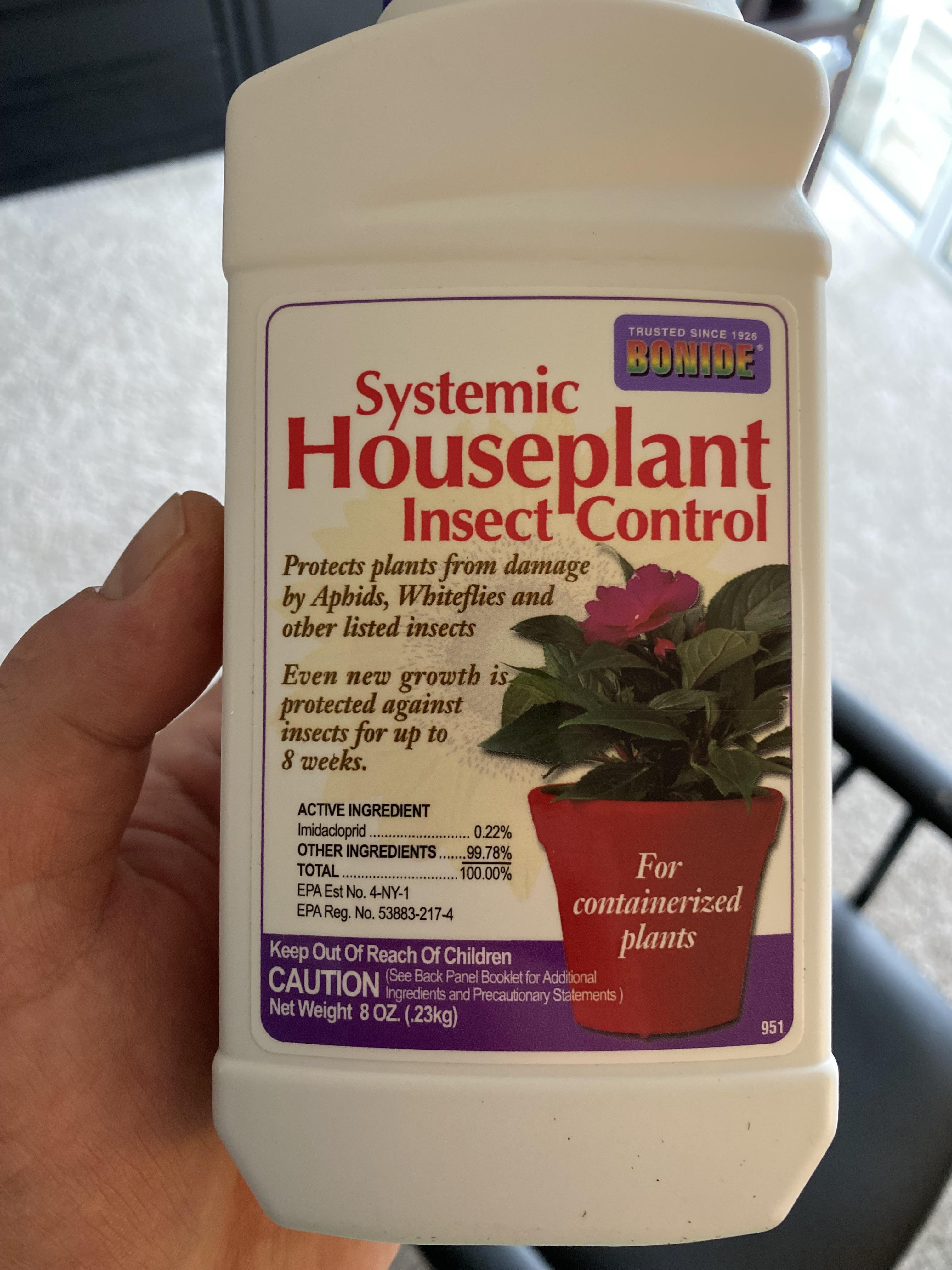
As gardeners and plant enthusiasts move plants indoors or add new greenery to their collection, the battle against unwanted insect passengers begins. Among the pests, whiteflies are notorious for their invasive nature. These tiny insects are easily recognized when they take flight in a flurry, resembling a minuscule snowstorm upon the disturbance of their host plants.
The Lifecycle and Habits of Whiteflies
Understanding the biology of whiteflies is crucial in formulating an effective control strategy. These pests are kin to mealybugs, scales, and aphids rather than true flies. Their life begins as cone-shaped, yellow eggs on leaf undersides, which you should crush upon sight to prevent further infestation. The legless, yellow, flat nymphs that hatch can be easily mistaken for scale insects.

In cold climates, a hard freeze usually spells the end for outdoor whiteflies. However, greenhouse or indoor environments can provide them with a haven to survive and thrive year-round. In warmer southern areas, these pests persist through milder winters and emerge when temperatures rise above 65 degrees Fahrenheit.
Damage Caused by Whitefly Infestations
The sap-sucking habits of whiteflies wreak havoc on plant vigor, causing leaves to yellow and growth to stunt, potentially leading to the plant's demise. Additionally, the honeydew they secrete fosters sooty mold growth, further deteriorating plant health.
Stepping Up Your Defense Against Whiteflies
Monitoring Devices and Predatory Aids

Monitor your plants closely. Use flowering tobacco plants as natural attractants for whiteflies, and place yellow sticky traps to capture the first few invaders. Also, consider introducing natural predators into your garden such as ladybugs, green lacewings, Trichogramma wasps, Encarsia formosa wasps, predatory mites, and even encouraging certain songbirds to your garden area.
Preventative Tactics for Your Green Sanctuary
To deter whitefly occupancy, mist your plants with a seaweed spray, making the foliage less desirable for egg-laying. Using insecticidal soaps, which target soft-bodied insects, can also keep whitefly populations at bay. Furthermore, planting natural repellents such as marigolds, calendula, nasturtiums, or Peruvian cherry can provide a robust defense line.
Direct Control Measures When Infestations Occur
When whiteflies have infiltrated your plants, consider using a vacuum to physically remove as many as possible. Some gardeners find that yellow light bulbs are effective at luring and eliminating whiteflies without harm to beneficial insects. Other strategies include botanical poisons like Pyrethrum, strong herb-infused sprays, Hot Pepper Wax™, light horticultural oils, alcohol mixtures, and neem oil treatments.
Travel and Your Well-Maintained Green Oasis
For travelers returning home or venturing to new destinations, ensuring hotels maintain well-cared-for indoor plants can be a comforting sight. Greenery provides a touch of nature that immediately disarms and relaxes, contributing to a pleasant stay. However, it's also important for hospitality providers to remain vigilant against pests like whiteflies, which could tarnish the soothing experience for their guests. Vigilant plant care is as valuable in the tranquility of a hotel lobby as it is at home, helping to create serene and healthy environments wherever one might find themselves.
Porto Seguro
- Porto Seguro Eco Bahia Hotel
- Porto Seguro Praia Resort
- Portobello Praia Hotel
- Arraial D'Ajuda
- Club Med Trancoso
- Morena Jambo
- La Torre Resort All Inclusive
- Saint Tropez Praia Hotel
- Hotel Solar Do Imperador
- Arraial Praia Hotel Pousada
- Porto Geraes Praia Hotel
- Atlantida Park Hotel
- Praia Do Eden
- Pousada Aldeia Portuguesa
- Hotel Fenix Porto Seguro
- Porto Seguro
Natal
- Porto Suites Natal Hotel
- Wish Natal
- D Beach Resort
- Tirol Praia Hotel
- Valencia Hotel Natal Natal
- Pousada Natal Paradise
- Coral Plaza Apart Hotel
- 9006 Suites Natal Vista Mar
- Aram Natal Mar Hotel
- Natal Holidays
Maceio (Alagoas)
- Salinas Maceio
- Ritz Lagoa Da Anta
- Maceio Mar Hotel
- Pratagy Beach Resort
- Maceio Atlantic Suites
- Hotel Refugio Maceio
- Laguna Praia Hotel
- Acqua Suites Maceio
- Maceio Brazil
Recife
- Palmeira Imperial
- Radisson Recife
- Grand Mercure Recife Boa Viagem
- Novo Hotel Recife
- Park Hotel Recife
- Hotel Boa Viagem
- Pousada Praia Boa Viagem
- Costa Mar Recife Hotel By Atlantica
Porto de Galinhas
Salvador
- Hotel Fasano Salvador
- Wish Hotel Da Bahia
- Novotel Salvador Rio Vermelho
- Hotel Golden Park Salvador
- Hotel Deville Prime Salvador
- Salvador Brazil Holidays