
Companion planting represents a cornerstone in the pursuit of a balanced, eco-friendly garden. By understanding and implementing this strategy, gardeners can harness the power of nature to create a thriving, resilient landscape. Let's dive into how associate plants can control pests organically and boost the overall health of your garden.
The Science Behind Companion Planting
Companion planting utilizes the natural properties found in plants to attract or deter insects, enrich the soil, and promote the beneficial growth of neighboring flora. In the realm of integrated pest management, this method stands out for its holistic approach to maintaining a garden's health.
Role in Integrated Pest Management
Using companion planting is an efficient aspect of integrated pest management (IPM). By incorporating diverse plants that repel harmful pests and attract beneficial ones, gardeners can minimize the need for chemical interventions.
Experimentation and Adaptation
Success varies from garden to garden, urging cultivators to experiment with the method. A thoughtful selection of herbs, flowers, and other plants, adapted to local conditions, can be the key to a balanced garden environment.
Essential Companion Plants
Now, let’s have a look at some beneficial companion plants that can be seamlessly integrated into your garden.
Attractors and Repellents
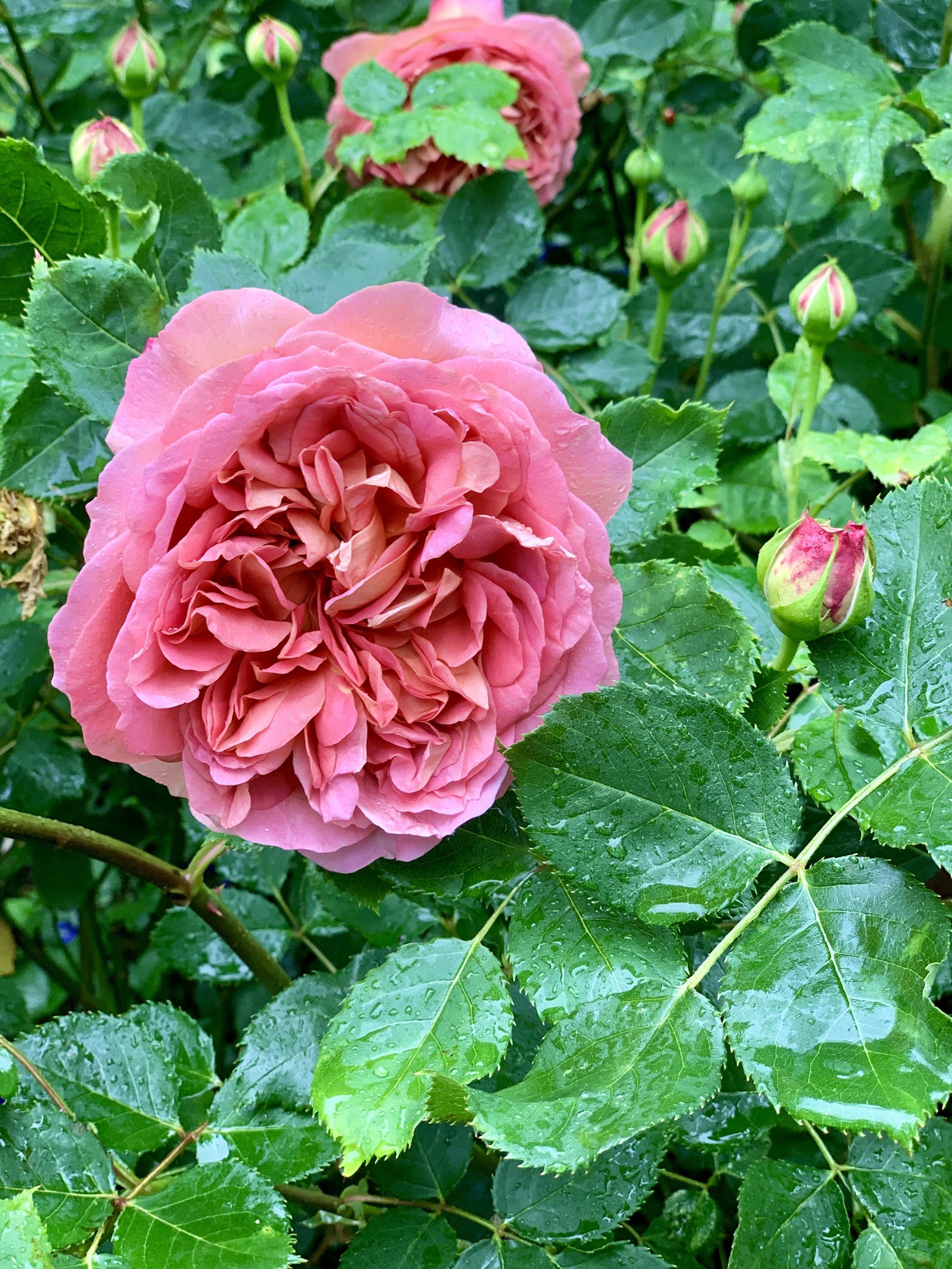
Herbs like basil and bee balm can repel pests when planted with tomatoes and attract pollinators, enhancing flower and vegetable beds.
Natural Soil Enrichers
Beans and alfalfa are legendary nitrogen fixers, making them ideal companions for plants like corn and grain that require rich, nitrogenous soil.
Pest Management Allies
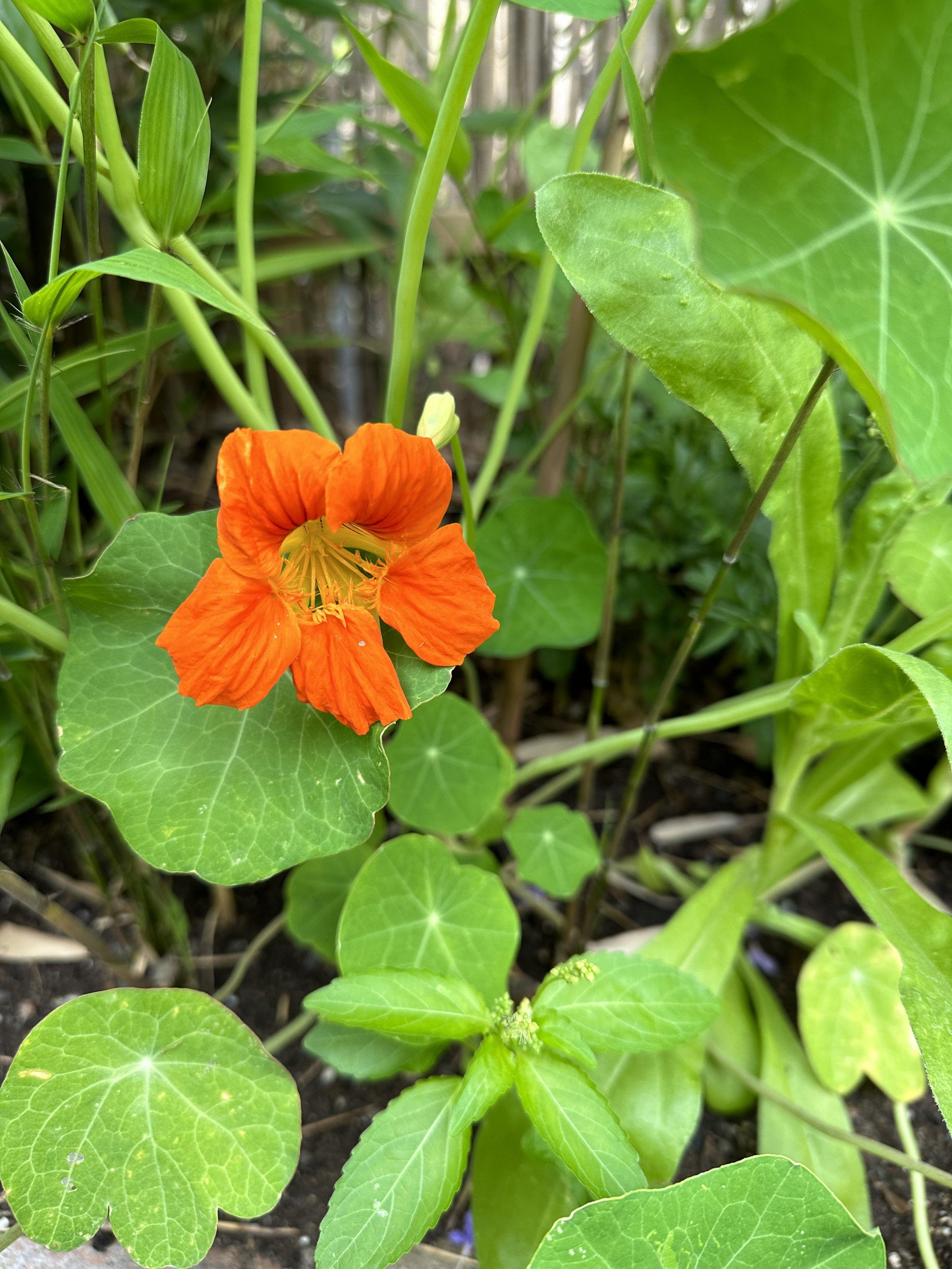
Plants like marigolds and nasturtiums serve dual purposes - they brighten up the garden with their vivid flowers while deterring a spectrum of pests.
Integrating Companion Planting Into Your Garden
Here are a few strategies to introduce companion planting into various parts of your landscape:
Flower Beds and Borders
Use companion plants like amaranth or marigolds as ornamental borders that also provide eco-friendly pest management.
Vegetable Gardens
Interplanting with herbs such as rosemary and thyme can offer vegetable crops protection against pests and diseases.
Fruit Orchards
Encircling trees with a variety of companion plants, like chives and garlic, could create a living barrier against common fruit tree pests.
Native Planting Considerations
Opt for native plants to ensure the local insect community can fully engage with the companions you've introduced.
Enjoy the Blending Beauty and Functionality
Remember, companion planting is not just about utility. The aesthetically pleasing arrangements you create can bring joy and stimulate creativity as your garden flourishes in harmony with nature.
Conclusion
While companion planting may not provide a one-size-fits-all solution to garden challenges, its manifold benefits justify giving it a chance. Above all, remember to have fun and let your garden be not just a place of labor, but also one of learning, discovery, and tranquility.
Companion Planting and Travelers’ Havens
For those who find solace in the serene beauty of nature, gardens implementing companion planting serve as enchanting retreats. Visitors traveling in search of these sustainable havens can often find rest in eco-conscious hotels that echo this harmony between humans and the environment. As the philosophy of companion planting enriches our gardens, may the places we choose to stay while traveling reflect and respect the delicate balance of the world we delight in exploring.
Porto Seguro
- Porto Seguro Eco Bahia Hotel
- Porto Seguro Praia Resort
- Portobello Praia Hotel
- Arraial D'Ajuda
- Club Med Trancoso
- Morena Jambo
- La Torre Resort All Inclusive
- Saint Tropez Praia Hotel
- Hotel Solar Do Imperador
- Arraial Praia Hotel Pousada
- Porto Geraes Praia Hotel
- Atlantida Park Hotel
- Praia Do Eden
- Pousada Aldeia Portuguesa
- Hotel Brisa Da Praia Porto Seguro
- Porto Seguro
- Porto Seguro Resorts
Maceio (Alagoas)
- Salinas Maceio
- Ritz Lagoa Da Anta
- Maceio Mar Hotel
- Pratagy Beach Resort
- Maceio Atlantic Suites
- Hotel Refugio Maceio
- Laguna Praia Hotel
- Acqua Suites Maceio
- Hotel Ponta Verde
- Maceio Brazil
- Maceio Resorts
Natal
- Porto Suites Natal Hotel
- Wish Natal
- D Beach Resort
- Tirol Praia Hotel
- Valencia Hotel Natal Natal
- Pousada Natal Paradise
- Coral Plaza Apart Hotel
- 9006 Suites Natal Vista Mar
- Natal Holidays
- Natal Resorts
Recife
- Palmeira Imperial
- Radisson Recife
- Grand Mercure Recife Boa Viagem
- Novo Hotel Recife
- Park Hotel Recife
- Hotel Boa Viagem
- Pousada Praia Boa Viagem
Porto de Galinhas
Salvador
- Hotel Fasano Salvador
- Wish Hotel Da Bahia
- Novotel Salvador Rio Vermelho
- The Hotel Salvador
- Salvador Holidays
- Best Place To Stay In Salvador
- Resorts In Salvador Brazil