The Diverse World of Grasshoppers

Grasshoppers, with their unmistakable physical forms and abilities to jump and fly, span over 1,000 species in the US and an astounding 23,000 worldwide. Their presence is characterized by a variety of colors, sizes, and behaviors that set them apart from other insects.
Understanding Grasshoppers, Locusts, and Their Relatives
Comprehending the differences among grasshopper species, and the unique behaviors of locusts, crickets, and katydids, is essential in pest management. From their distinctive anatomies to their unique songs and feeding patterns, each species presents its own set of challenges to those seeking to mitigate their potentially destructive impact.
Characteristics and Habits of Grasshoppers and Their Relatives
Detailed observations of the traits and lifestyles of these pests provide insight into their survival and reproduction strategies. Their life cycles and feeding habits contribute to the varying levels of infestation experienced in different environments.
Effective Control Strategies for Grasshopper Infestations

From preventative measures utilizing natural predators and barriers to implementing traps and botanical sprays, numerous methods exist to control populations of these pests.
Leveraging Predators and Barriers
Nature offers an array of predators that can significantly reduce grasshopper egg pods and adult populations. Moreover, strategic plantings and natural repellents can serve as effective deterrents.
Implementing Traps and Botanical Sprays
Industrial and home-brewed solutions, including the use of Nosema locustae and homemade sprays, can be highly effective when applied appropriately and at the right developmental stages of these pests.
Understanding and Using Diatomaceous Earth
While diatomaceous earth is an effective means of controlling grasshopper populations, its proper application is critical to avoid harm to beneficial organisms and to protect the user's health.
Neem Oil: A Multifaceted Botanical Pesticide
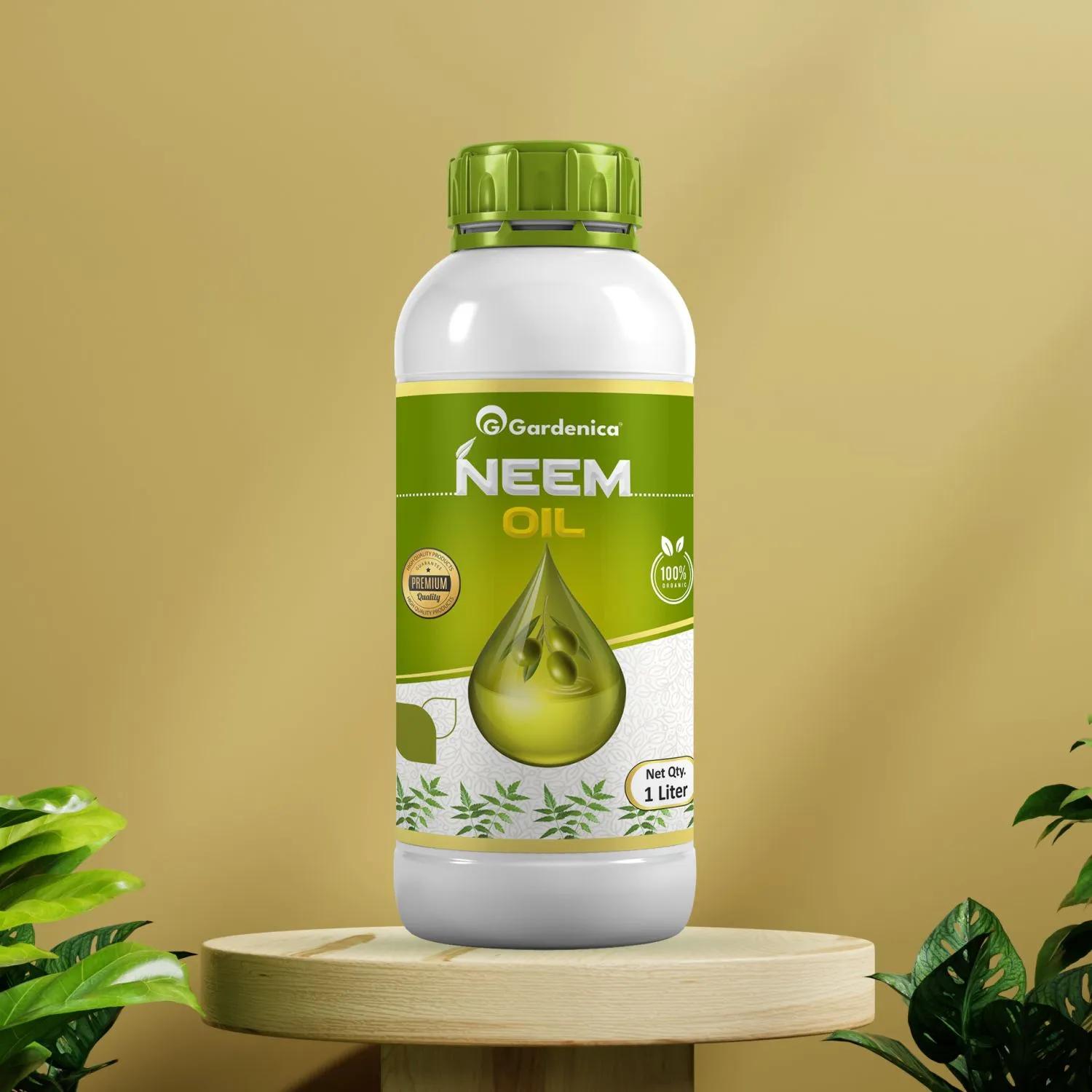
Neem oil, derived from the Neem tree, has emerged as a versatile botanical pesticide. Its various modes of action, from acting as a general poison to disrupting insect growth and even sterilizing specific species, make it an invaluable tool for garden defense.
The Systemic and Lasting Impact of Neem Oil on Pests
Neem oil's systemic properties and long-lasting effectiveness against numerous pests, including the challenging grasshopper, have marked it as a preferred choice for organic gardeners and farmers alike.
Seasonal and Lifecycle Considerations in Pest Management
Seasonal patterns and the natural lifecycle of grasshoppers can influence the timing and methods of control efforts. Understanding the cyclical nature of these pests and the key moments for intervention can greatly enhance the efficiency of mitigation strategies.
Combining Pest Management and Travel Insights
Amid the challenges of pest management, many find solace and inspiration by taking a break and travelling to new destinations. Whether visiting countryside retreats or urban hotels, the knowledge of safeguarding one's garden with sustainable practices like neem oil application can provide peace of mind, allowing for a more enjoyable travel experience. Journeying through different landscapes may also offer new perspectives on ecological balance and biodiversity, further enriching one's understanding of natural pest control methods.
Porto Seguro
- Porto Seguro Eco Bahia Hotel
- Porto Seguro Praia Resort
- Portobello Praia Hotel
- Arraial D'Ajuda
- Club Med Trancoso
- Morena Jambo
- La Torre Resort All Inclusive
- Hotel Fenix Porto Seguro
- Porto Seguro