Understanding NPK Ratios and Application Rates for Healthy Plants
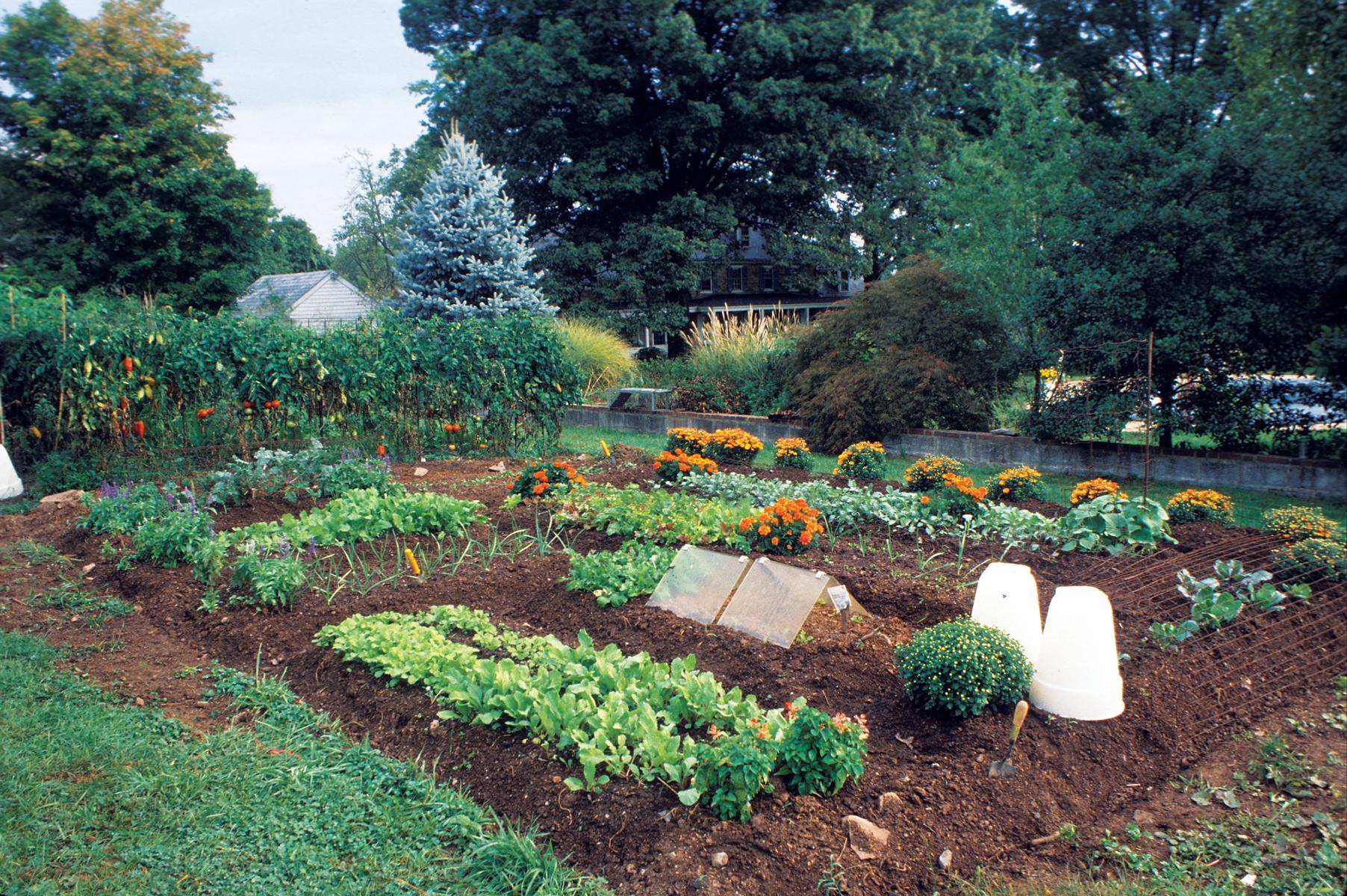
For those cultivating their own garden, understanding the nutrient value of various fertilizers is crucial. NPK—standing for nitrogen (N), phosphorus (P), and potassium (K)—are the three major nutrients essential for plant growth. An interesting and old chart, although the source is unknown, offers valuable information on the NPK percentages of various organic materials and their suggested application rates both for small garden squares (per 100 sq. ft.) and large-scale farming (per acre).
Nitrogen (N) Content and Organic Material Options
Nitrogen is vital for leaf and stem growth. Here's a quick reference to natural sources of nitrogen:
- Bloodmeal - 15.0% - 10 oz/100 sq. ft. or 265 lbs/acre
- Hoofmeal & Horndust - 12.5% - 13 oz/100 sq. ft. or 320 lbs/acre
- Cottonseed Meal - 8.0% - 1-1/4 lbs/100 sq. ft. or 500 lbs/acre
Phosphorus (P) Content and Sourcing
Phosphorus assists with root development and flower growth. Here are some organic phosphorous sources:
- Rock Phosphate - 30.0% - 12 oz/100 sq. ft. or 279 lbs/acre
- Bonemeal, Steamed - 28.0% - 14 oz/100 sq. ft. or 330 lbs/acre
Potassium (K) in Organics
Potassium enhances overall plant health and resistance. Organics high in potash include:
- Wood Ashes - 8.0% - 1-1/4 lbs/100 sq. ft. or 500 lbs/acre
- Seaweed - 5.0% - 2 lbs/100 sq. ft. or 800 lbs/acre
Identifying and Addressing Nutrient Deficiencies in Plants
Pinpointing nutrient deficiencies is crucial to rectify plant health issues. An informative chart lists symptoms associated with scarcity of specific nutrients:
Primary Element Deficiency Symptoms
Look for these signs to identify primary nutrient deficiencies:
- Nitrogen deficiency is indicated by yellowing of older leaves and stunted new growth.
- A purplish cast to the foliage suggests a lack of phosphorus.
- Potassium-deficient plants may display yellowing leaves and curving upwards.
Trace Elements and Their Importance
Even trace elements play a significant role. Observing your plants for specific discolorations and growth patterns can reveal deficiencies in minor elements such as iron, manganese, and zinc.
Concluding Thoughts and the Travel Connection
In summary, understanding nutrient requirements and recognizing deficiency symptoms are key components of successful gardening. As travel enthusiasts explore new destinations, they often encounter unique local flora, inspiring a deeper appreciation for the diverse gardening practices and plant care methods worldwide. Just as travelers seek out the best accommodations for a comfortable stay, providing the right nutrients ensures that plants can also thrive in their environment.
Porto Seguro
- Porto Seguro Eco Bahia Hotel
- Porto Seguro Praia Resort
- Portobello Praia Hotel
- Arraial D'Ajuda
- Club Med Trancoso
- Morena Jambo
- La Torre Resort All Inclusive
- Hotel Fenix Porto Seguro
- Porto Seguro