The Fascinating World of Grasshoppers
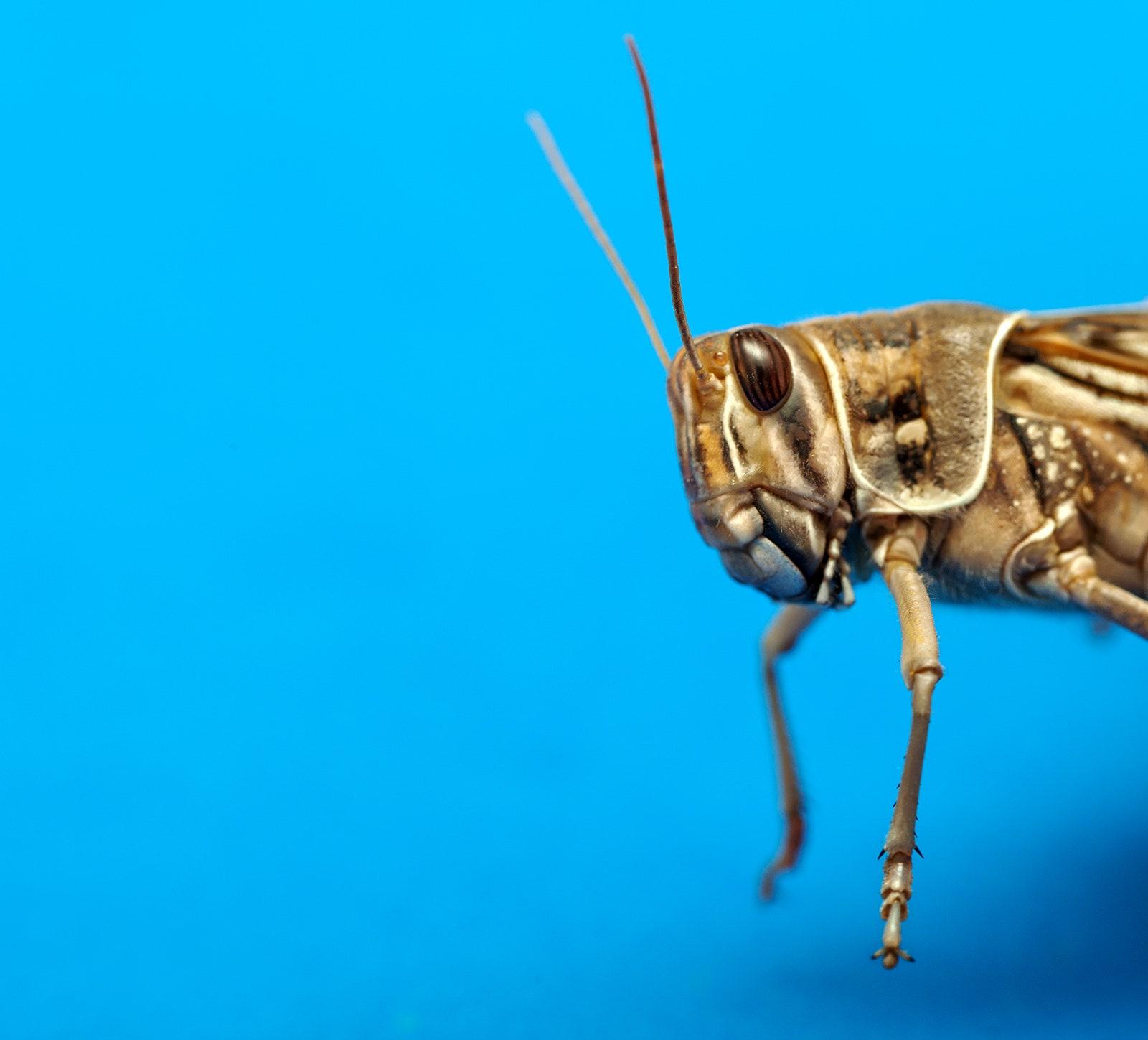
Imagine delving into the world of over 1,000 species of grasshoppers found across the United States, and an astounding 23,000 globally. These creatures, recognizable by their variety of colors and sizes, are known for their signature mode of transportation: some fly, some jump. But what sets grasshoppers apart from their close relatives, locusts?
Grasshoppers vs Locusts
Grasshoppers and locusts both belong to the family Locustidae. The distinctive difference lies in their behavior; locusts have migratory tendencies, often moving in swarms when their rapid population growth demands a search for new sustenance. Elsewhere in the insect world, katydids and crickets share familial ties with grasshoppers, the former recognized by their vibrant green hue and melodic chirp that debates 'katy-did, katy-didn't'.
Understanding Cicadas
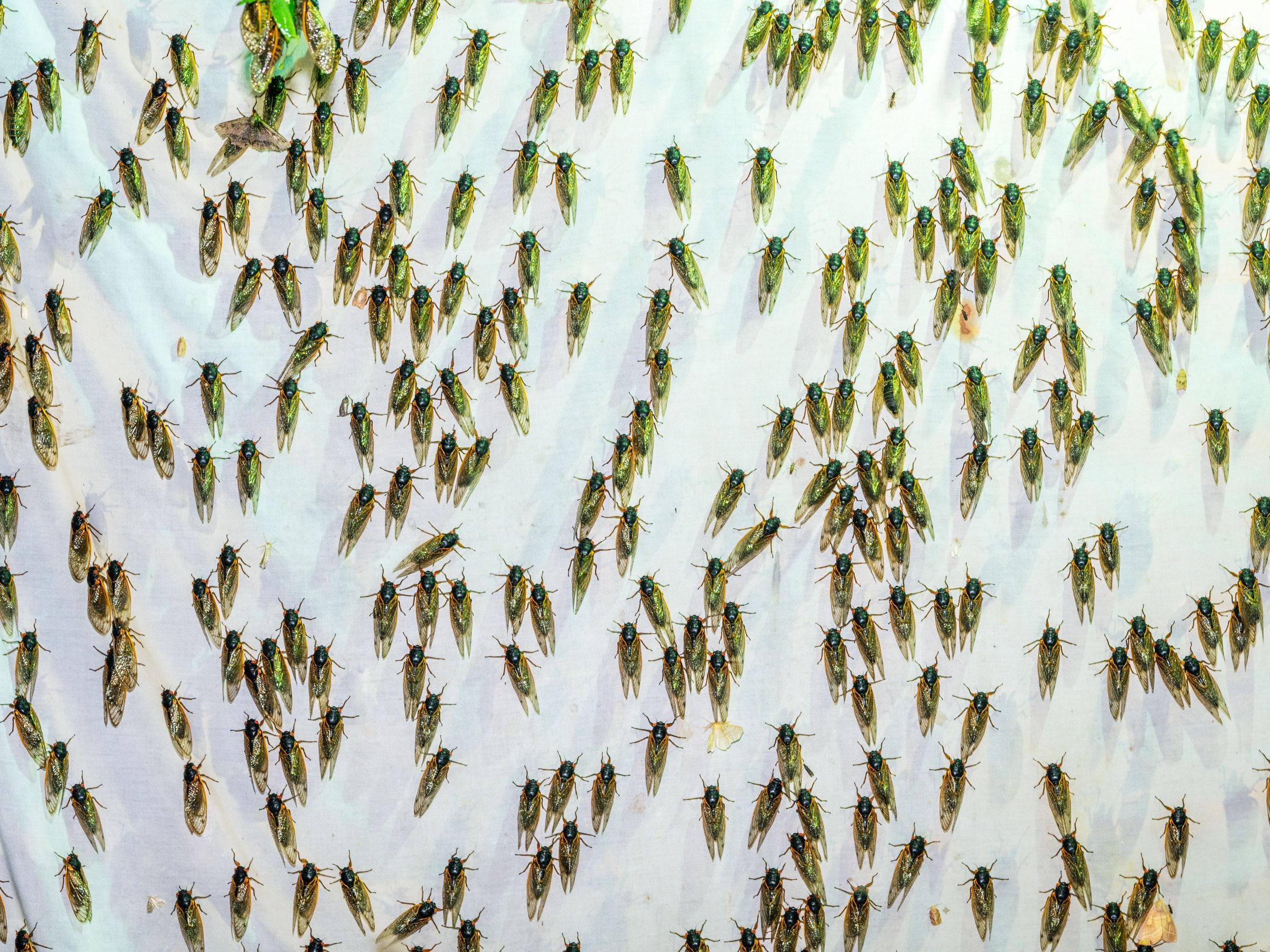
Worthy of note is the cicada, often confused with locusts but falling outside the Locustidae family. The "17-year locust" is, in fact, a cicada, with some species living up to 17 years, primarily as nymphs below the soil, feeding on tree roots. Cicadas are unique in their lack of jumping legs and in the droning songs of the males, creating an unforgettable chorus during infestations.
Edible Insects: An Unusual Food Trend
When considering unusual food recipes, the concept of entomophagy — consuming insects as food — presents a sustainable, protein-rich option. Grasshoppers, with their destructive potential in agricultural settings, also offer an intriguing ingredient for culinary adventurers.
Recipe Ideas and Preparation

In many cultures, grasshoppers are toasted, seasoned, and enjoyed as a crunchy snack. When ground into a fine powder, they become a great addition to protein bars, smoothies, and even baked goods for a nutritional boost. Safety in preparation is key; like all food sources, grasshoppers must be correctly harvested and cooked to ensure they’re safe to eat.
Entomophagy and Sustainability
Harvesting grasshoppers for consumption aligns with sustainable eating practices. As a low-impact protein source compared to traditional livestock, grasshoppers require minimal resources to thrive. Utilizing insects as food could play an important role in mitigating food scarcity while reducing the strain on environmental resources.
From Garden Pests to Gourmet Plates
Exploring the unique flavors insects offer can transform garden pests into gourmet delicacies. As sustainability gains traction in the culinary world, dishes featuring grasshoppers, crickets, and even cicadas are becoming more common on restaurant menus, marrying the necessity of pest control with the delight of innovative gastronomy.
Traveling for Tastes: A New Experience
For travel enthusiasts and foodies alike, the quest for unique dining experiences often leads to far-flung destinations. Exotic locales bring opportunities to sample traditional dishes featuring insects, often surrounded by the luxury of local accommodations. Such culinary journeys offer travelers a tangible way to engage with new cultures — experiencing local foodways that may include the likes of grasshoppers, adding a fresh dimension to hotel dining experiences and adventurous palates.
Porto Seguro
- Porto Seguro Eco Bahia Hotel
- Porto Seguro Praia Resort
- Portobello Praia Hotel
- Arraial D'Ajuda
- Club Med Trancoso
- Morena Jambo
- La Torre Resort All Inclusive
- Porto Seguro
Porto de Galinhas
Maceio (Alagoas)
- Salinas Maceio
- Ritz Lagoa Da Anta
- Maceio Mar Hotel
- Pratagy Beach Resort
- Laguna Praia Hotel Maceio
- Maceio Brazil
Recife
- Palmeira Imperial
- Radisson Recife
- Grand Mercure Recife Boa Viagem
- Novo Hotel Recife
- Costa Mar Recife Hotel By Atlantica