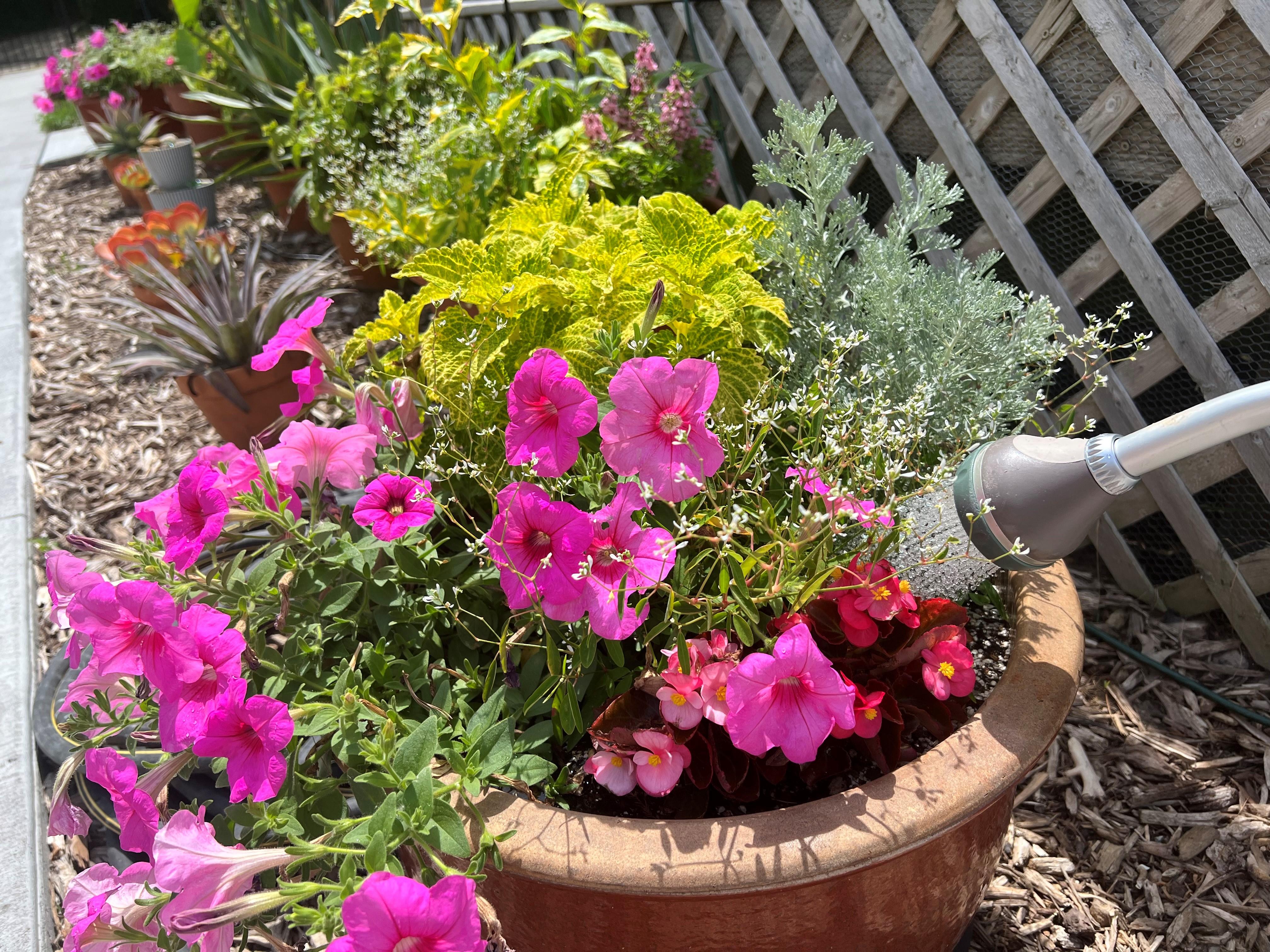
It's not the load that breaks you down - it's the way you carry it. Gardening enthusiasts and green thumbed aficionados alike understand this sentiment when it comes to plant care. If you're noticing the signs of disease in your garden, take solace in knowing you have a multitude of natural remedies at your disposal. For those seeking further advice or looking to share their own tips, the Gardening in Harmony message board is a resourceful online community. Now, let's delve into the nuances of successful spraying and specific as well as general disease controls.
Spraying Basics
Optimal Times for Spraying
Always aim to spray in the early morning or the cool of the evening, steering clear of temperatures above 80 degrees Fahrenheit to avoid phytotoxicity. This precaution helps prevent potential "burns" or adverse reactions on the plants due to high heat.
Test Before You Treat
Before committing to a full treatment, perform a test on a small portion of the plant material and wait 24 hours to observe any negative reactions.
Strength of Remedies
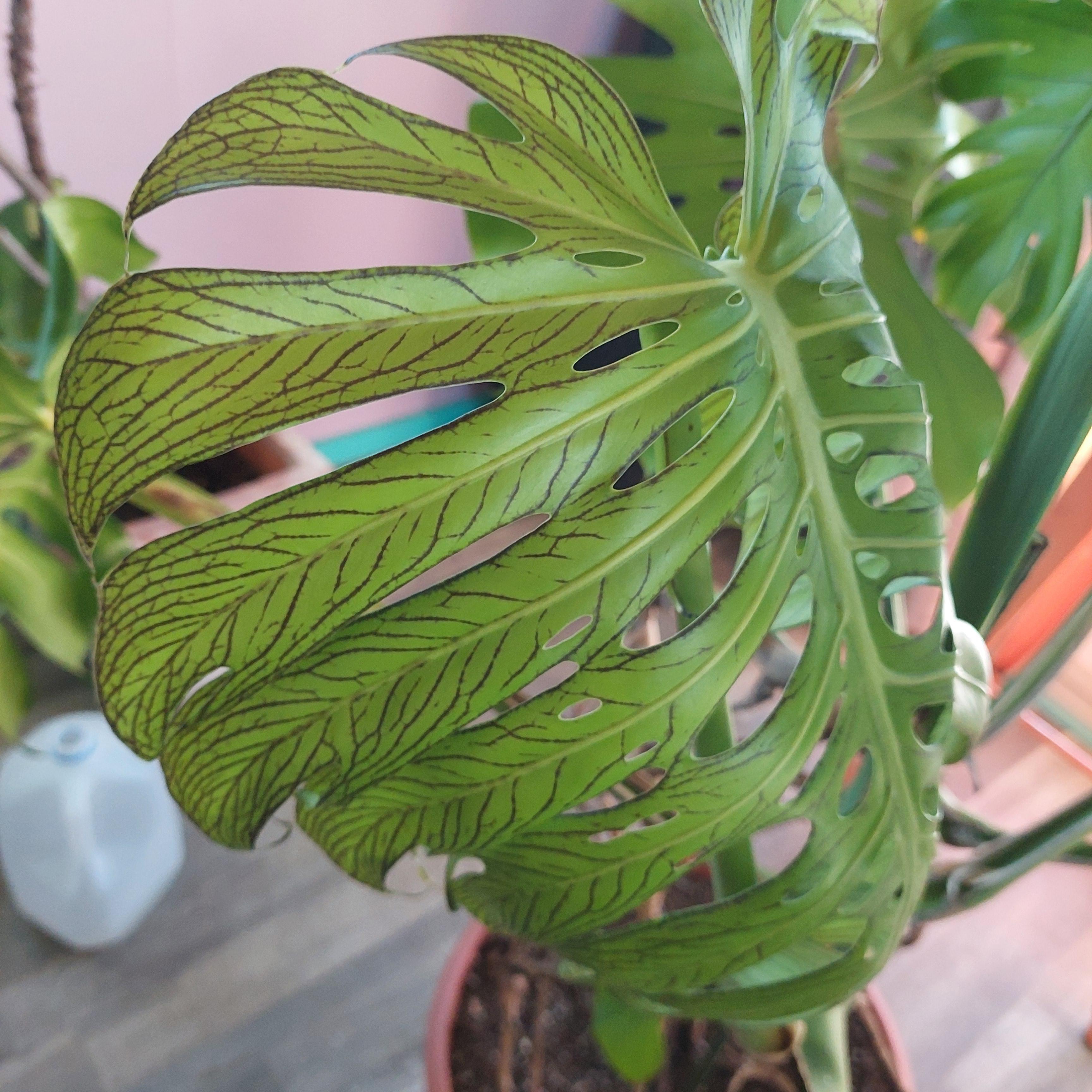
If you are not seeing results, resist the temptation to increase the remedy’s strength. Stick to the recommended dosages, and only consider adjustments after thorough testing.
Targeted Application
Focus your spraying endeavors on the affected areas without impacting the beneficial insects in your garden that serve as allies in plant health.
Personal Protection
When working with any type of sprays or dusts, safeguard your skin and eyes. Some natural ingredients, like hot pepper sprays, can be particularly irritating.
Specific Disease Controls
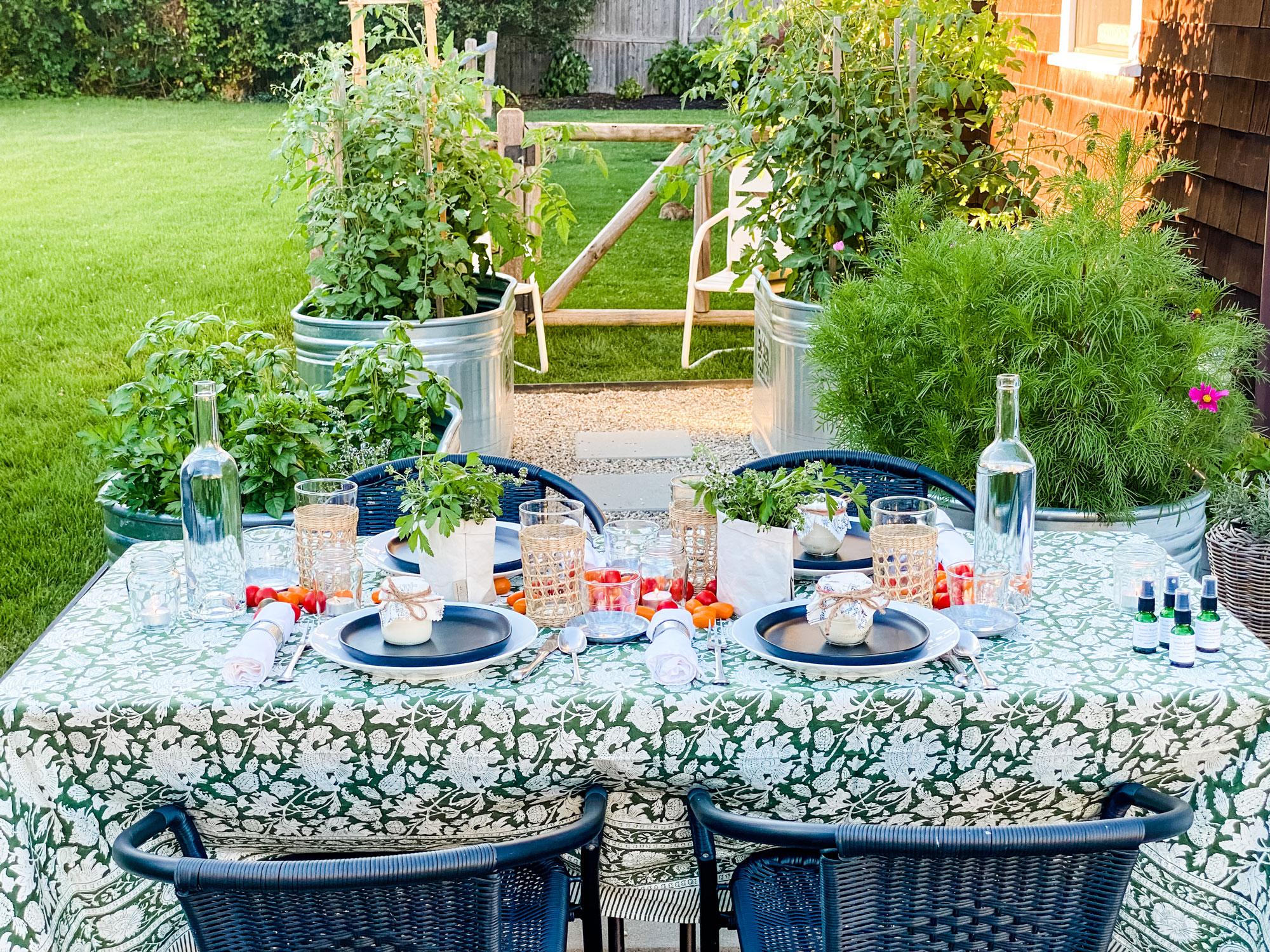
From apple tree scab to potato scab, there are creative and effective methods utilizing natural companions like chives and compost ingredients that can help you manage and prevent plant diseases.
General Disease Controls
For broader plant disease issues, products like Soap Shield Fungicidal Soap combine fatty acids with copper to protect against a range of pathogens. Organic solutions such as apple cider vinegar fungicide or baking soda spray can act as versatile treatments for a variety of plant diseases.
Considerations for Home Remedies
From chive sprays that can help prevent apple scab to horsetail teas for combating powdery mildew, creating your own fungicide mixtures can be a worthwhile and organic approach to plant disease prevention.
Keeping Your Garden Healthy with Teas and Sprays
Crafting compost and manure teas or concocting sprays using ingredients like corn, garlic, or even milk can offer your plants a fighting chance against common diseases.
The Integration of Travel and Plant Care
As you prepare for your next exciting expedition, remember that the wonders of plant care can travel with you in a way. Ensuring your garden is in good shape before you leave can be as easy as setting up a simple routine with these natural remedies. Hotels, much like gardens, provide a refuge and respite from the daily grind. While hotels assure comfort and relaxation, these organic solutions guarantee your garden remains a tranquil sanctuary, free from the stresses of plant diseases. Both are havens of sorts—one you cultivate, and one that pampers you—each requiring attention to detail to provide the perfect experience. So, whether you're weeding your vegetable patch or exploring new destinations, know that harmony can be achieved with a bit of care and the right remedies.
Porto Seguro
- Porto Seguro Eco Bahia Hotel
- Porto Seguro Praia Resort
- Portobello Praia Hotel
- Arraial D'Ajuda
- Club Med Trancoso
- Morena Jambo
- La Torre Resort All Inclusive
- Saint Tropez Praia Hotel
- Porto Seguro