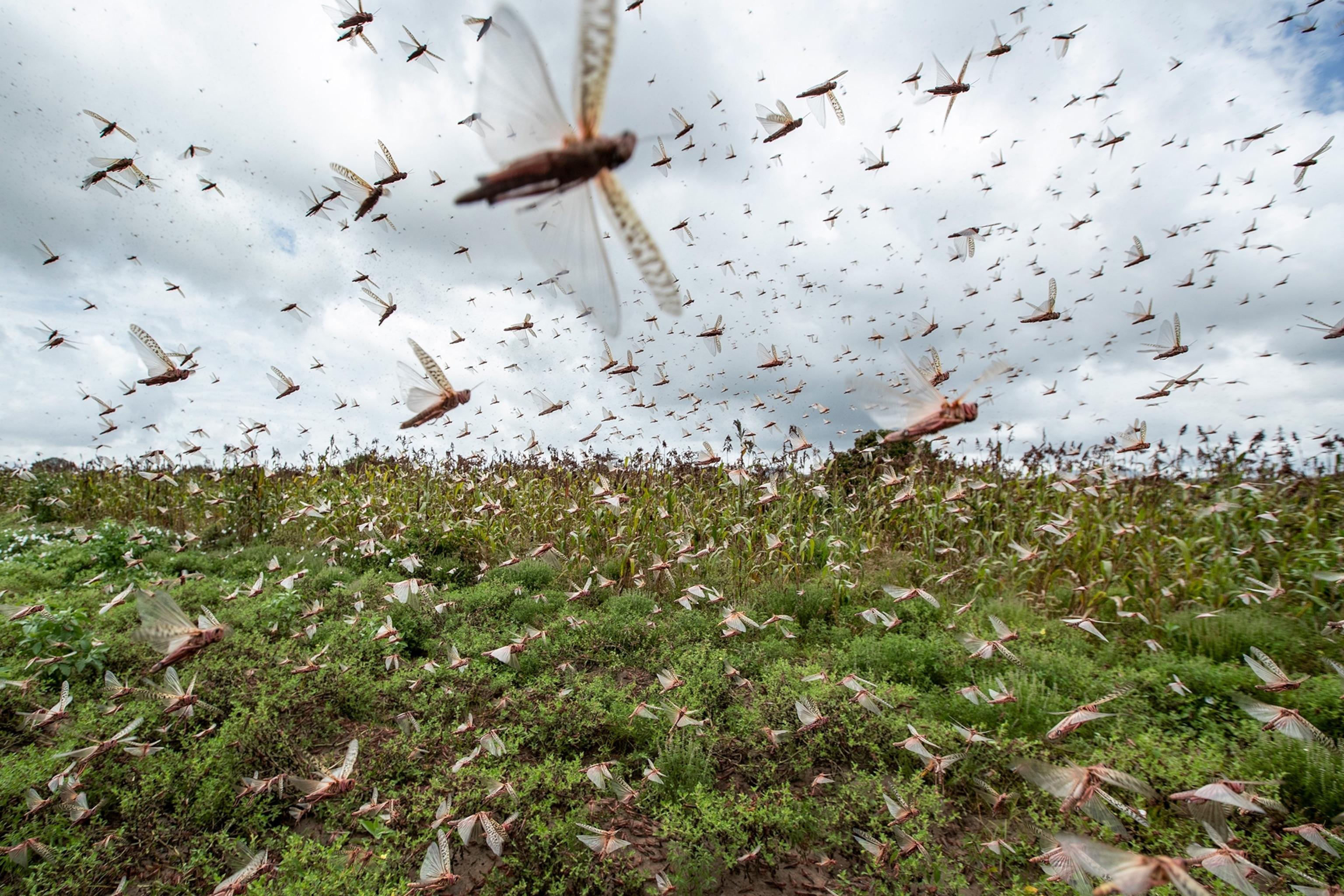
"I read the newspaper avidly. It is my one form of continuous fiction." -- Aneurin Bevan. Diving into the world of grasshoppers, we uncover not only their varied species but also the defenses we can mount against their destructive tendencies.
Understanding Grasshoppers and Their Kin
In the United States alone, over 1,000 species of grasshoppers thrive, with worldwide numbers exceeding 23,000! Their diversity is vast, featuring many colors and sizes, yet their distinctive appearance – with the capability of flight or impressive jumps – is consistent across species.
Grasshoppers vs. Locusts
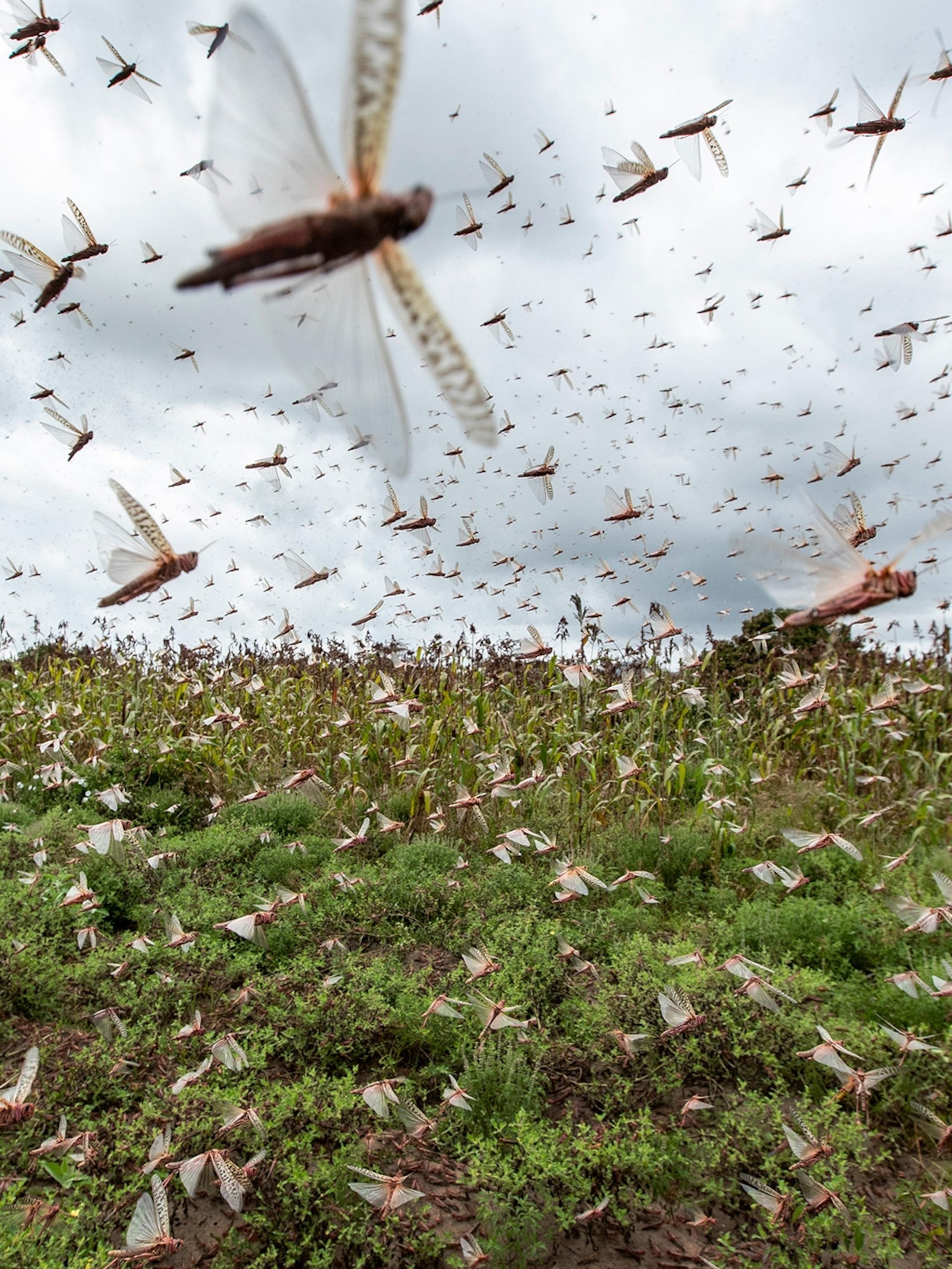
Migration habits set grasshoppers and locusts apart. While both belong to the family Locustidae, true locusts migrate in massive swarms to new feeding grounds once their numbers demand it. This phenomenon doesn't follow predictable cycles like grasshopper population changes, resulting in the notorious swarms associated with locust infestations. To further complicate matters, "17 year locusts" are actually cicadas, unrelated to grasshoppers, renowned for their lengthy nymph stages and striking emergence patterns.
Species-Specific Characteristics
Grasshoppers, locusts, and related species such as crickets and katydids display distinct traits. While they belong to the same family, each subgroup has unique characteristics including antennae length, habitat preferences, and feeding patterns, all of which influence the control strategies needed.
Field Identification Guide
Short Horned Grasshopper & Locust (Acrididae)
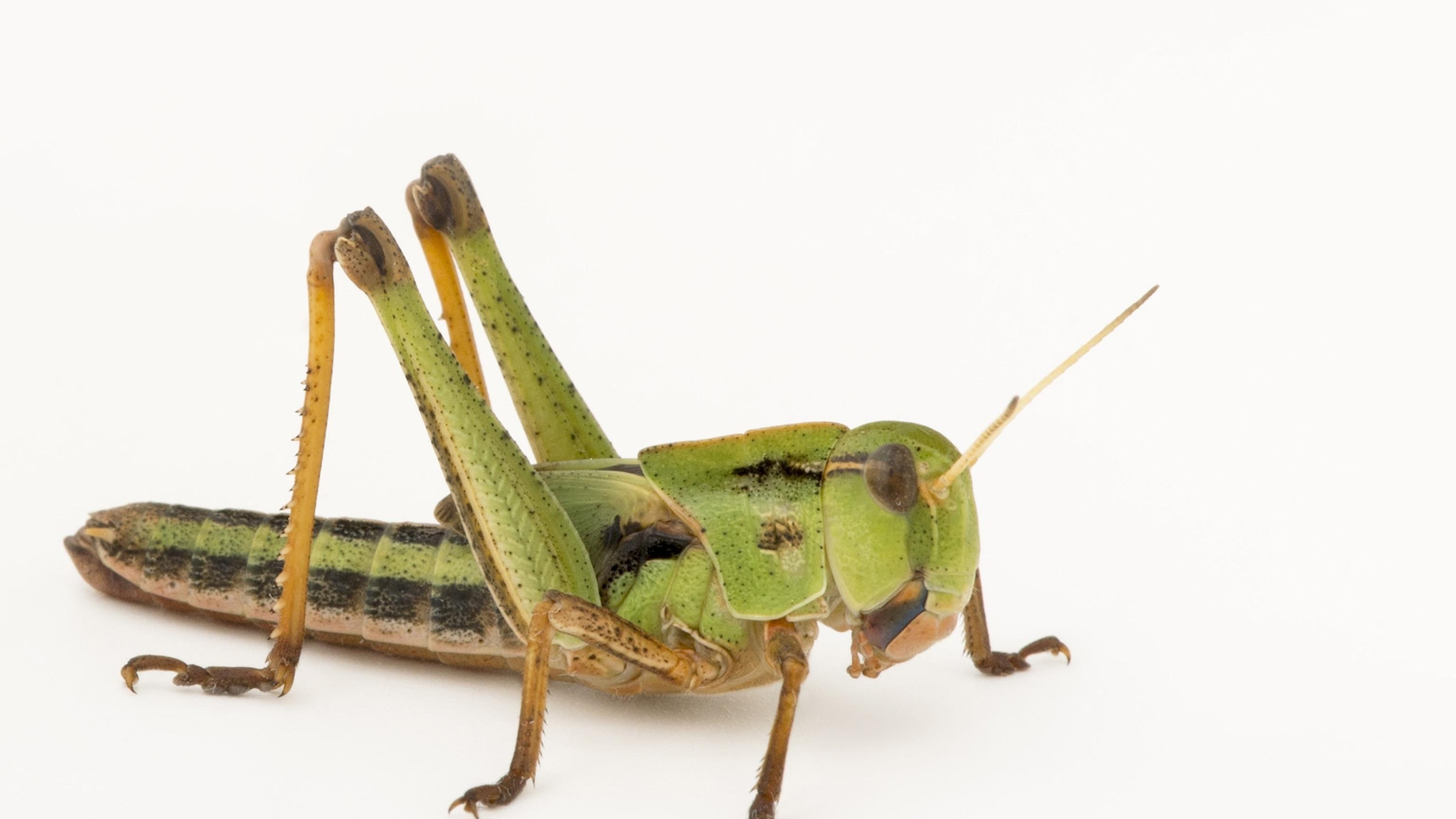
Spot these by their horn-shaped antennae, which are half their body length, and their preference for feeding on crops.
Long Horned Grasshopper & Katydid (Tettigoniidae)
These range in color and have distinctly long antennae. Katydids, typically green, can be identified by their song.
Camel Cricket (Gryllacrididae)
Look for tan or gray bodies with humped backs in nocturnal settings, feeding on a variety of organic materials.
True Cricket (Gryllidae)
Smaller in size, true crickets have a higher-pitched chirp and consume a range of foods from seeds to small insects.
Cicadas (Cicadidae)
Unlike grasshoppers, cicadas have no hind legs for jumping but are known for their loud, distinctive songs and feeding on tree sap.
Tackling Grasshopper Infestations
Grasshopper populations can fluctuate, with significant infestations often spanning two to four years. Adult grasshoppers live about 60 to 90 days, with their lifecycle including egg, nymph, and adult stages. Control methods are most effective during the nymph stage, especially in home gardens where even a low population can wreak havoc.
Natural Predators and Barriers
Utilize predators like blister beetles, ground beetles, birds, or nematodes to naturally control grasshopper populations. Planting specific herbs or spraying infusions like garlic oil can act as repellents, while certain traps can capture or poison the insects.
DIY Repellents and Biological Solutions
From caffeine sprays to neem oil treatments, there are a host of do-it-yourself solutions and biological agents like Nosema locustae that can effectively disrupt grasshopper lifecycles and reduce their impact on vegetation.
Merging Travel and Pest Control
Frequent travelers and hotel proprietors alike are invested in maintaining beautiful, pest-free landscapes. From lush hotel gardens to the rolling vineyards of wine country, effective grasshopper control is essential. Ensuring these insects are managed not only preserves the aesthetic appeal of destinations but also supports the ecological balance necessary for a thriving travel experience.
Porto Seguro
- Porto Seguro Eco Bahia Hotel
- Porto Seguro Praia Resort
- Portobello Praia Hotel
- Arraial D'Ajuda
- Club Med Trancoso
- Morena Jambo
- La Torre Resort All Inclusive
- Hotel Fenix Porto Seguro
- Porto Seguro