Foundation of a Balanced Ecosystem
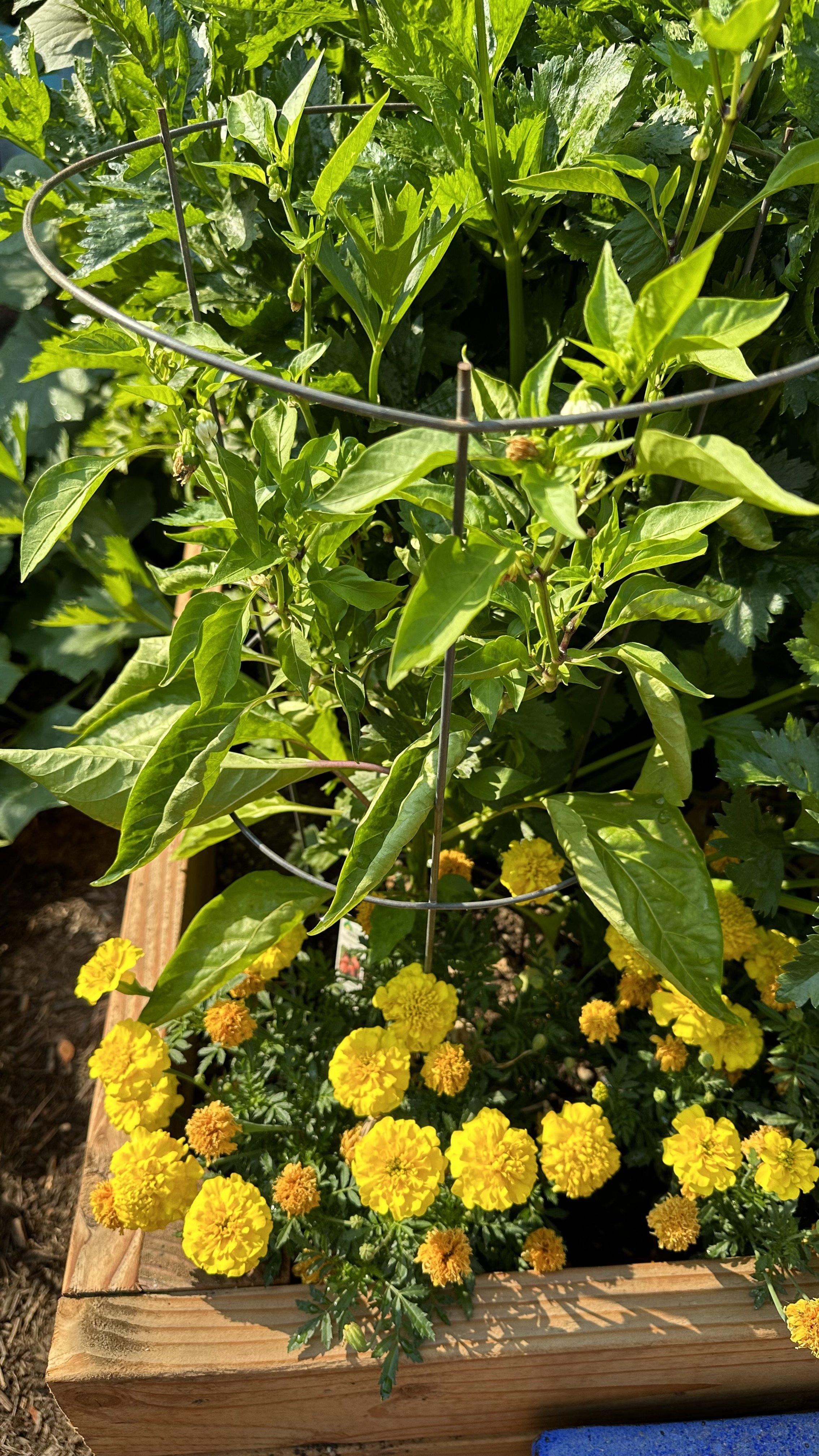
The art of companion planting serves as nature's own first aid kit, fostering a balanced ecosystem in your garden. It utilizes the innate abilities of various plants to repel harmful pests and attract helpful insects, combining aesthetics with functionality, and enhancing the growth and taste of your edible plants. Introducing this method into your garden or landscape plays a pivotal role in integrated pest management, leading to a healthier and more productive growing space.
Creating Natural Alliances in the Garden
Many herbs, flowers, and other plants can serve as excellent companions in your garden strategy. While native plants are generally preferred to attract familiar insects, experimentation is key to finding the perfect plant pairings for your specific conditions. From creating borders to interplanting between vegetables and flowers, the possibilities are endless. And remember, open cup-shaped flowers often stand as favorites for beneficial insects.
Plant Guide for Companion Planting
An Overview of Beneficial Plants
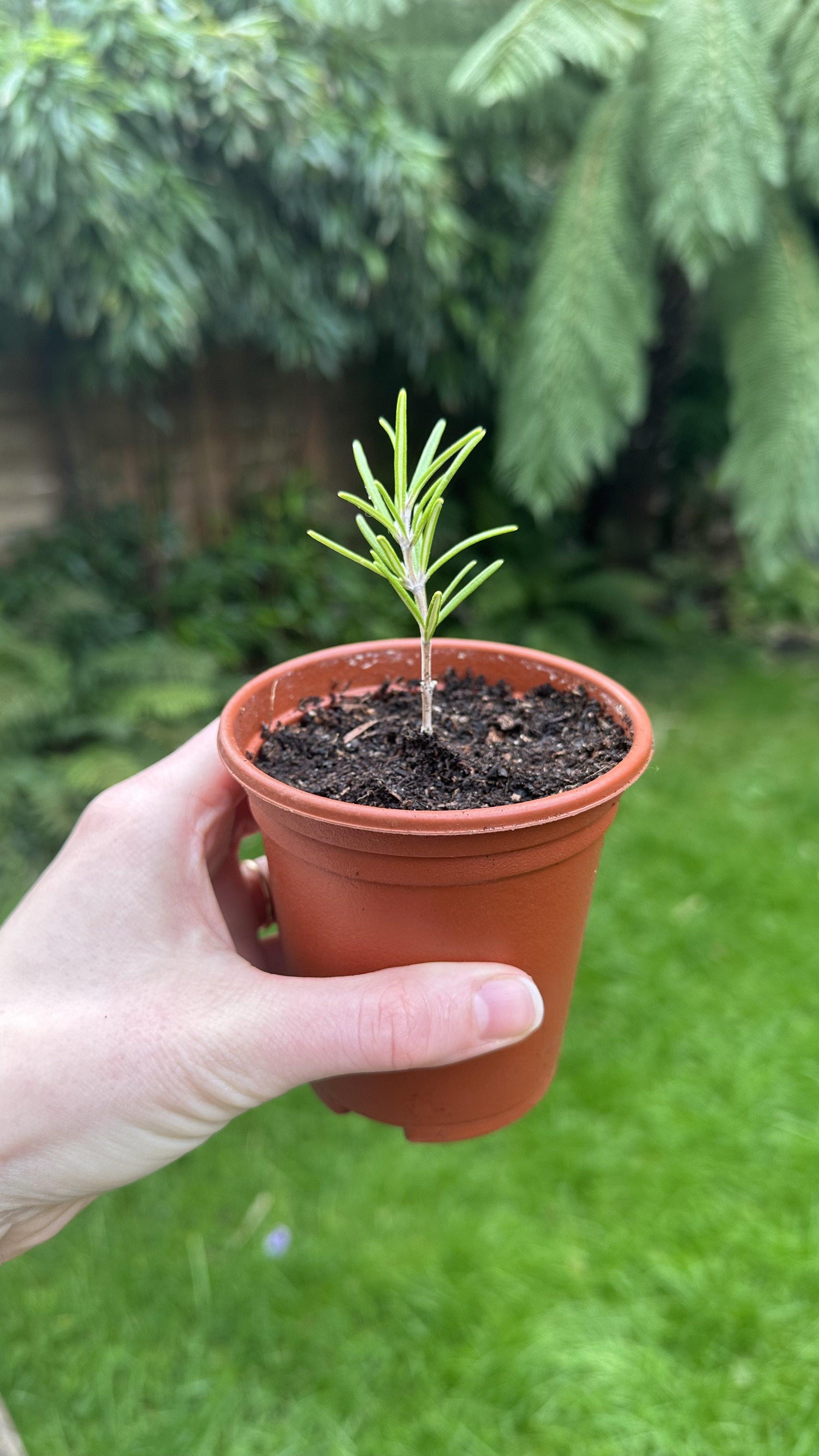
Here, we provide a concise guide to some standout plants that can significantly contribute to your garden’s natural resiliency and vigor. Think of this as a starting point in your journey towards a self-sustaining garden.
Alfalfa: The Soil Enricher
With its deep-rooted nature, alfalfa can drastically improve soil quality, fix nitrogen, and break up compacted earth. Requiring minimal watering, it's a low-maintenance and pest-resistant choice.
Basil: The Tomato's Best Friend

Known for boosting tomato plant health and flavor, basil also has the benefit of repelling flies and mosquitoes, making it a multipurpose addition to any garden.
Marigolds: The Nemesis of Nematodes
Marigolds are not only aesthetically pleasing but also repel nematodes and other pests, which can greatly improve the health of your garden.
Conclusion
Companion planting serves as more than just a strategy for pest management; it's a way to enhance the overall vitality of your garden. While the outcomes can vary, the process of experimenting with different plant combinations can be as rewarding as it is enlightening. Whether you're a novice or an experienced gardener, take this guide as your starting point to explore the interconnectedness of the natural world and invite resilience into your own backyard.
Travel and Gardening: A Natural Synergy
As travel enthusiasts always in search of inspiration, experiencing the fusion of lush gardens and landscaped environments around the world can be a transformative experience. Just as a diverse garden benefits from the harmonious blend of companion plants, so does the world of travel offer a richer experience through the blending of cultures, ideas, and practices. Creative gardeners often draw inspiration from the natural arrangements found in gardens across the globe, which can be a joy to discover whether staying in a countryside retreat or a city hotel with green spaces. In this sense, the principles of companion planting transcend the garden, reflecting a universal language of balance and harmony that can enrich our lives in myriad ways.
Porto Seguro
- Porto Seguro Eco Bahia Hotel
- Porto Seguro Praia Resort
- Portobello Praia Hotel
- Arraial D'Ajuda
- Club Med Trancoso
- Morena Jambo
- La Torre Resort All Inclusive
- Porto Seguro
Porto de Galinhas
Maceio (Alagoas)
- Salinas Maceio
- Ritz Lagoa Da Anta
- Maceio Mar Hotel
- Pratagy Beach Resort
- Laguna Praia Hotel Maceio
- Maceio Brazil
Recife
- Palmeira Imperial
- Radisson Recife
- Grand Mercure Recife Boa Viagem
- Novo Hotel Recife
- Costa Mar Recife Hotel By Atlantica