Introduction

The use of glyphosate, a pervasive herbicide in agribusiness, is under intense scrutiny following a contentious debate between agrochemical giant Monsanto and the Pesticide Action Network (PAN). This controversy emerged as the pesticide, which covers nearly half of the Malaysian market, is linked to significant health risks.
The Hardell Study: A Red Flag for Glyphosate
Eminent oncologists from Sweden have recently published a study with alarming implications: the use of glyphosate may be linked to a higher risk of non-Hodgkin's lymphoma (NHL), a cancer affecting the lymphatic system. This discovery has stoked global concerns regarding the herbicide's safety for human exposure.
Monsanto's Stance on Glyphosate Safety
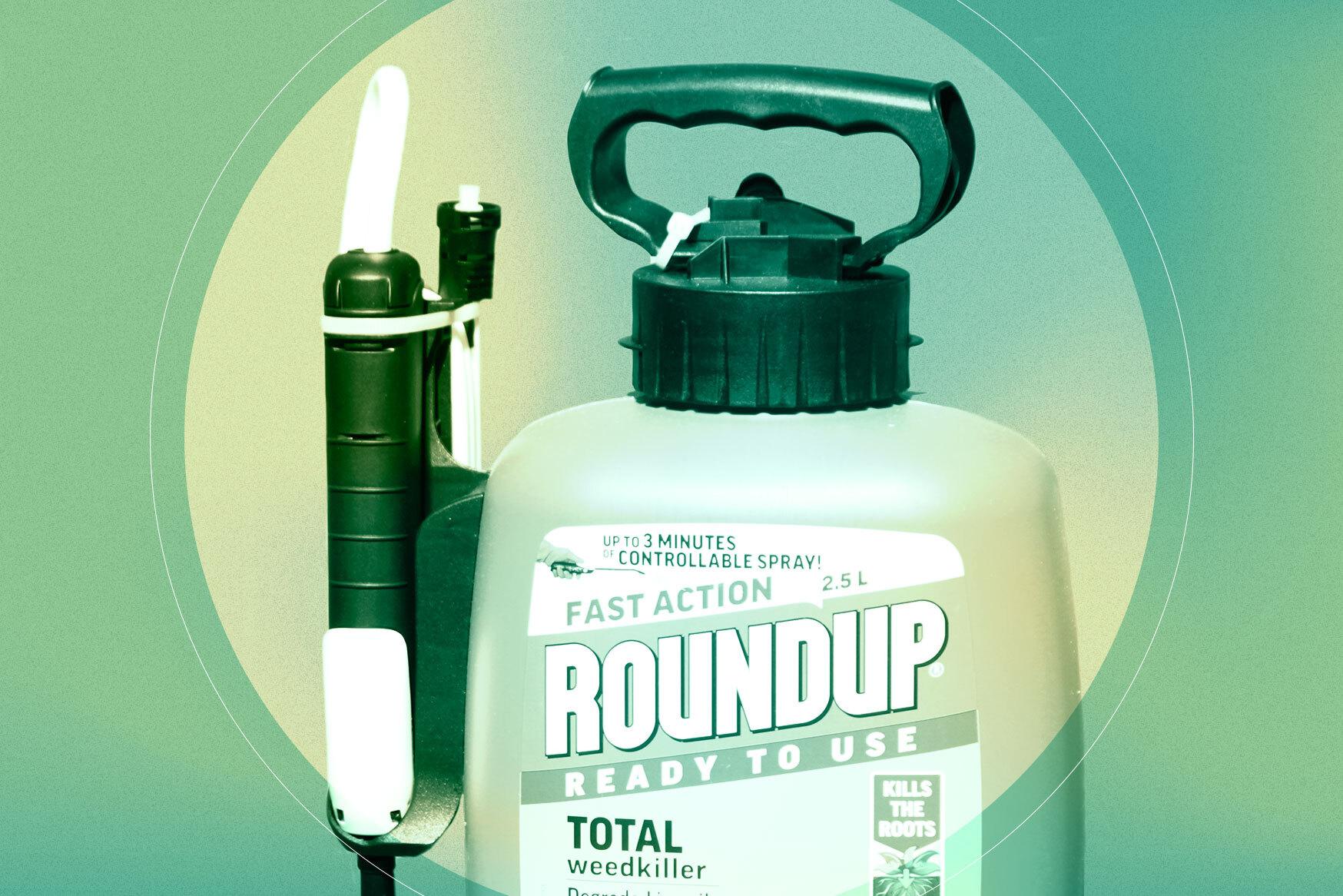
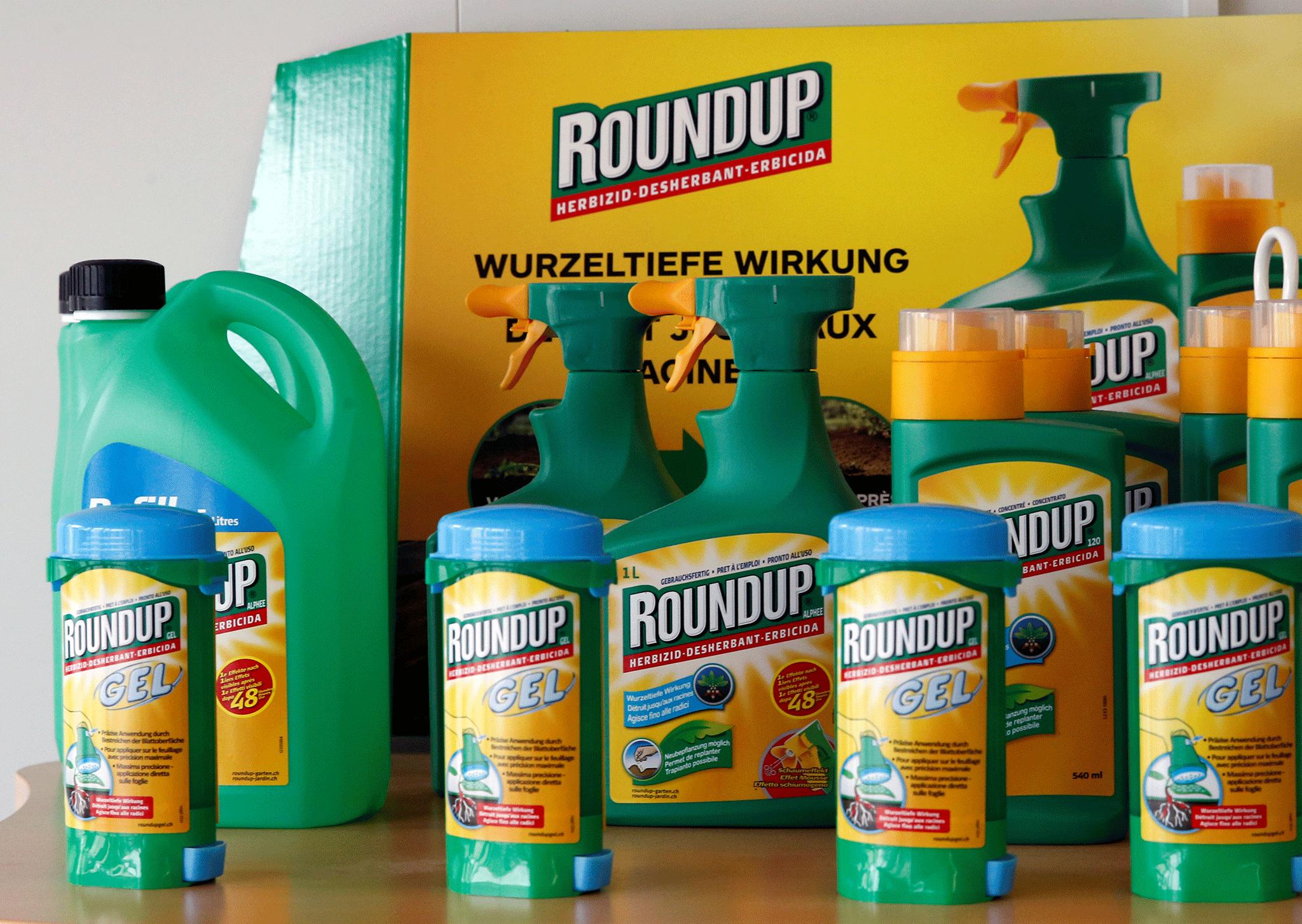
Monsanto, the manufacturer of Roundup, a herbicide based on glyphosate, staunchly defends its product. The company cites past evaluations by international bodies like the US EPA and WHO, arguing that these assessments negate the substance's potential mutagenicity or carcinogenicity. Monsanto points to a wide-ranging body of literature to reinforce the safety narrative of Roundup.
PAN's Arguments Against Glyphosate
Contrariwise, PAN highlights the outdated nature of the EPA and WHO evaluations, specifying that these were largely influenced by data submitted by Monsanto itself. They argue that independent research presents a different, concerning narrative about glyphosate’s potential toxicity and cite increasing cases of poisoning and complaints related to the herbicide.
The Divide Between Corporate Assurance and Public Concern
The debate is not merely scientific. Monsanto claims the epidemiology study by Hardell and Eriksson shows a negligible link between glyphosate and NHL, emphasizing the low potential for meaningful exposure. On the flip side, PAN argues that any association, however minimal, is significant, particularly given the growing use of glyphosate. They advocate for the rights of individuals to be fully informed and to make choices regarding their exposure to potential toxins.
Environmental Persistence and Diet
As a systemic herbicide, glyphosate's environmental longevity is another bone of contention. PAN points out that glyphosate's long-term presence in soil and potential residue in food, water, and animal products amplifies human exposure risks, a claim that Monsanto tends to downplay.
The Impact of Public Health Controversies on Travel
Health and safety concerns like those surrounding glyphosate not only influence agricultural policies but can also have implications for travelers. Visitors, seeking to embrace the local cuisine and culture, should be mindful of ongoing health debates, such as those regarding pesticides, to make informed decisions during their stays. In this context, the hospitality industry also plays a role, potentially offering organic or locally-sourced products that cater to health-conscious guests. At its core, the dialogue about substances like glyphosate underscores a growing public desire for transparency, safety, and sustainable practices — a trend increasingly reflected in the travel and hotel sectors.
Porto Seguro
- Porto Seguro Eco Bahia Hotel
- Porto Seguro Praia Resort
- Portobello Praia Hotel
- Arraial D'Ajuda
- Club Med Trancoso
- Morena Jambo
- La Torre Resort All Inclusive
- Hotel Fenix Porto Seguro
- Porto Seguro