Understanding the Cucumber Beetle Threat

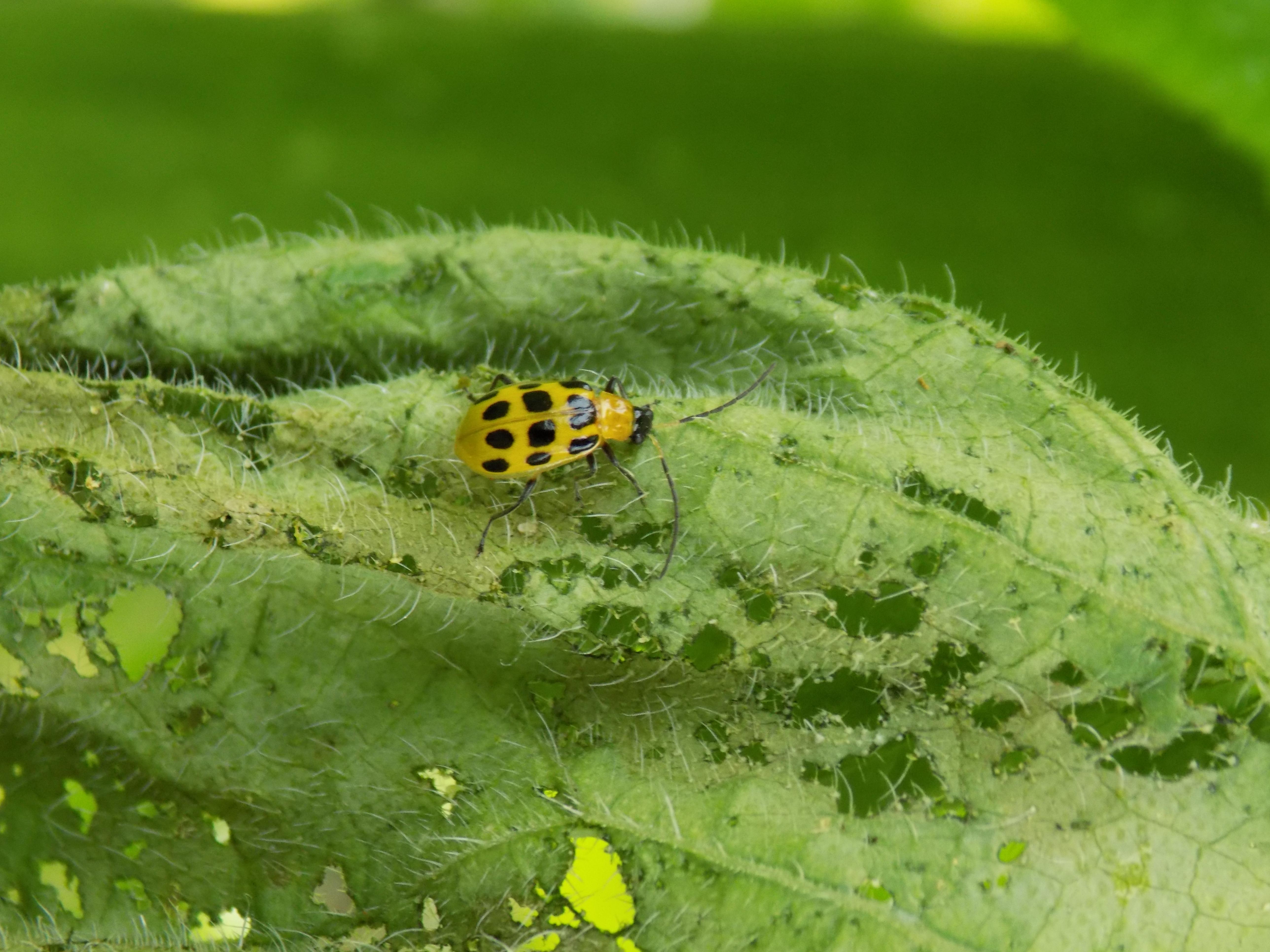
The cucumber beetle, part of the Chrysomelidae family and known for the distinct Diabrotica genus, poses a significant threat to gardens. These pests exhibit yellowish-green bodies adorned with black spots or stripes, and though they measure merely a quarter inch, their impact on vegetation is far-reaching. Often laying their oval, yellowish-orange eggs in close proximity to host plants, cucumber beetles' larvae emerge to wreak havoc on roots, particularly in the spring, and are notorious for targeting a range of over 270 plant species.
Life Cycle and Plant Damage
Cucumber beetles lead a destructive life cycle, with larvae attacking plant roots and adults transmitting diseases like bacterial wilt and cucumber mosaic. While they are generalists in their plant selection, these beetles are particularly detrimental to the production of corn, where they have earned the nickname "corn rootworms."
Seasonal Behavior and Predation
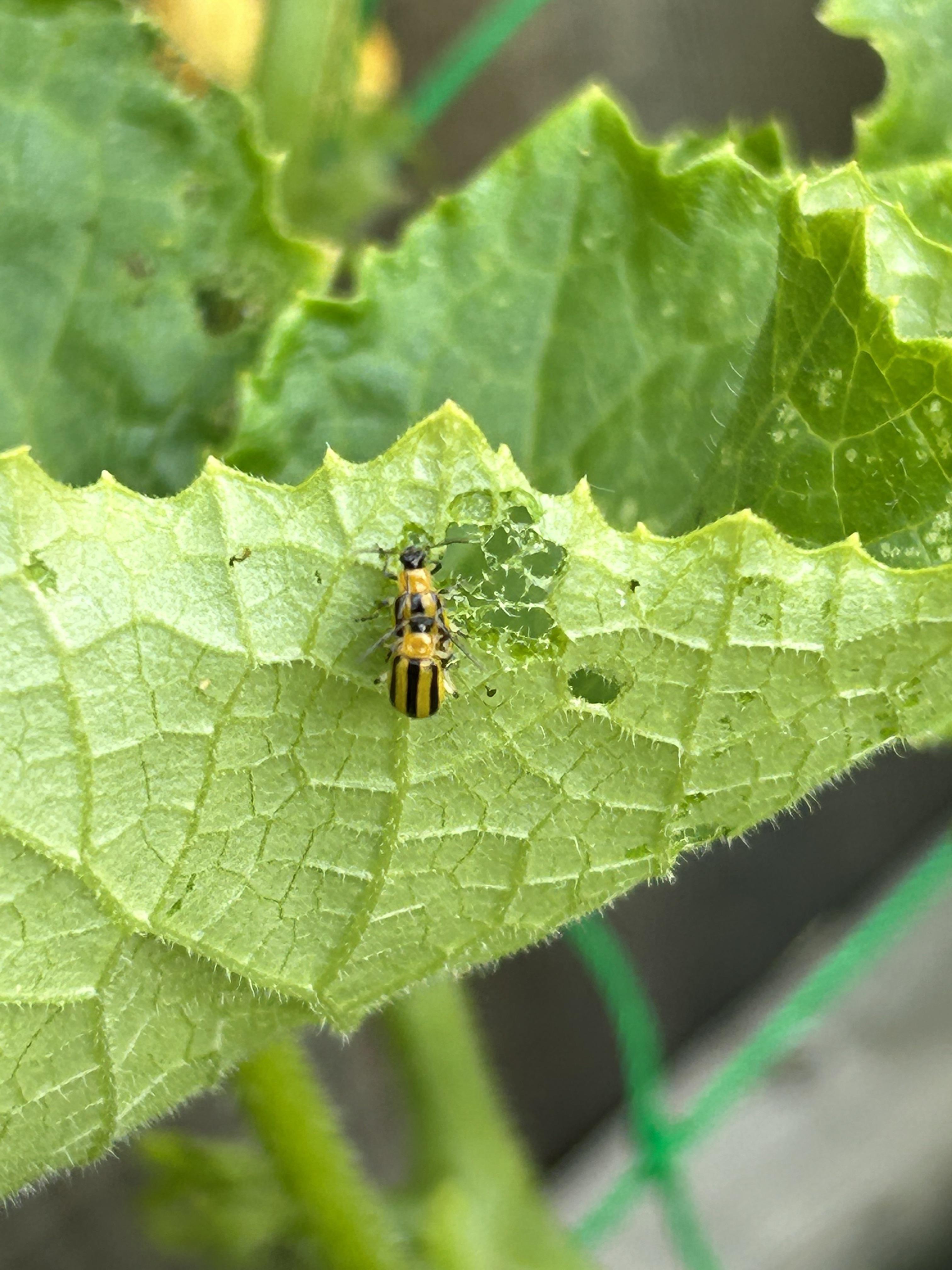
These beetles' feeding patterns shift with the seasons, transitioning from seedlings in the spring to the flowering parts of plants in the summer, and to plant shoots and other vegetation in the fall. To counteract their growth, nature provides predators such as Tachnid flies, soldier beetles, and braconid wasps, among others, that help control these pests' populations.
Natural Repellents and Companion Planting
Gardeners have long employed natural repellents to deter cucumber beetles, leveraging the properties of plants like broccoli, nasturtiums, and certain marigold varieties. Effective companion planting can also reduce beetle populations, for instance, integrating radishes with cucumbers.
Effective Control Methods for Cucumber Beetles
Mechanical and Physical Strategies
From utilizing a portable vacuum at dusk to employing strategic mulching techniques, gardeners have a range of mechanical methods to control beetle populations. Even creatively using aluminum foil can play a role in deterring these pests.
Botanical and Biological Control Measures
When infestations grow severe, botanical poisons such as pyrethrum or rotenone may be necessary. Beneficial nematodes and neem oil also serve as potent natural defenses, protecting plants from these voracious beetles without resorting to harsh chemicals.
Tech-Advanced Traps and Treatments
Sticky traps baited with eugenol-based oils or smashed squash blossoms provide a high-tech yet environmentally friendly method to capture adult beetles, while beneficial nematodes target the adults in a biological assault.
Integrating Cockroach Management in Travel Experience
Travel enthusiasts often seek accommodation that maintains beautiful gardens and lush landscapes for a serene experience. In doing so, they unknowingly appreciate the diligent work of horticulturists in managing pest invasions, such as those caused by cucumber beetles. Hotels with well-maintained gardens ensure guests can admire flora without interruption from pests, exemplifying how pest management contributes to the overall aesthetics and appeal of travel destinations.
Porto Seguro
- Porto Seguro Eco Bahia Hotel
- Porto Seguro Praia Resort
- Portobello Praia Hotel
- Arraial D'Ajuda
- Club Med Trancoso
- Morena Jambo
- La Torre Resort All Inclusive
- Hotel Fenix Porto Seguro
- Porto Seguro